The outdoor galleries of the Hirshhorn are open again. The Hirshhorn Sculpture Garden on the National Mall in Washington, D.C., reopened on Saturday, October 31, after a four-year transformation. The artist-architect Hiroshi Sugimoto led the redesign.
The numbers tell the story. The Smithsonian says this is the largest renovation of the Hirshhorn campus since the museum opened in 1974. The 1.3-acre garden now has five entrances instead of two. Artworks on view across the campus rise from 35 to nearly 60.
A tunnel made of mirrors
The headline piece is underground. For decades, a passage under Jefferson Drive linked the garden to the museum plaza. It had sat closed since the 1980s. Sugimoto has turned it into a work of art called "Passage of Reflectance" (2026).
Two curved stainless-steel "wings" line the tunnel. Each is about 90 feet long and 8 feet high, per the Smithsonian. Sugimoto shaped the mirrored walls so your reflection stretches and repeats as you walk through. The museum compares the effect to an Impressionist painting.
The piece comes from Sugimoto's interest in turning mathematics into sculpture. Look into it from the garden's new front door on the Mall, and it reflects the water feature and sculpture of the Central Garden back at you.
Rodin, Matisse and 30,000 new plants
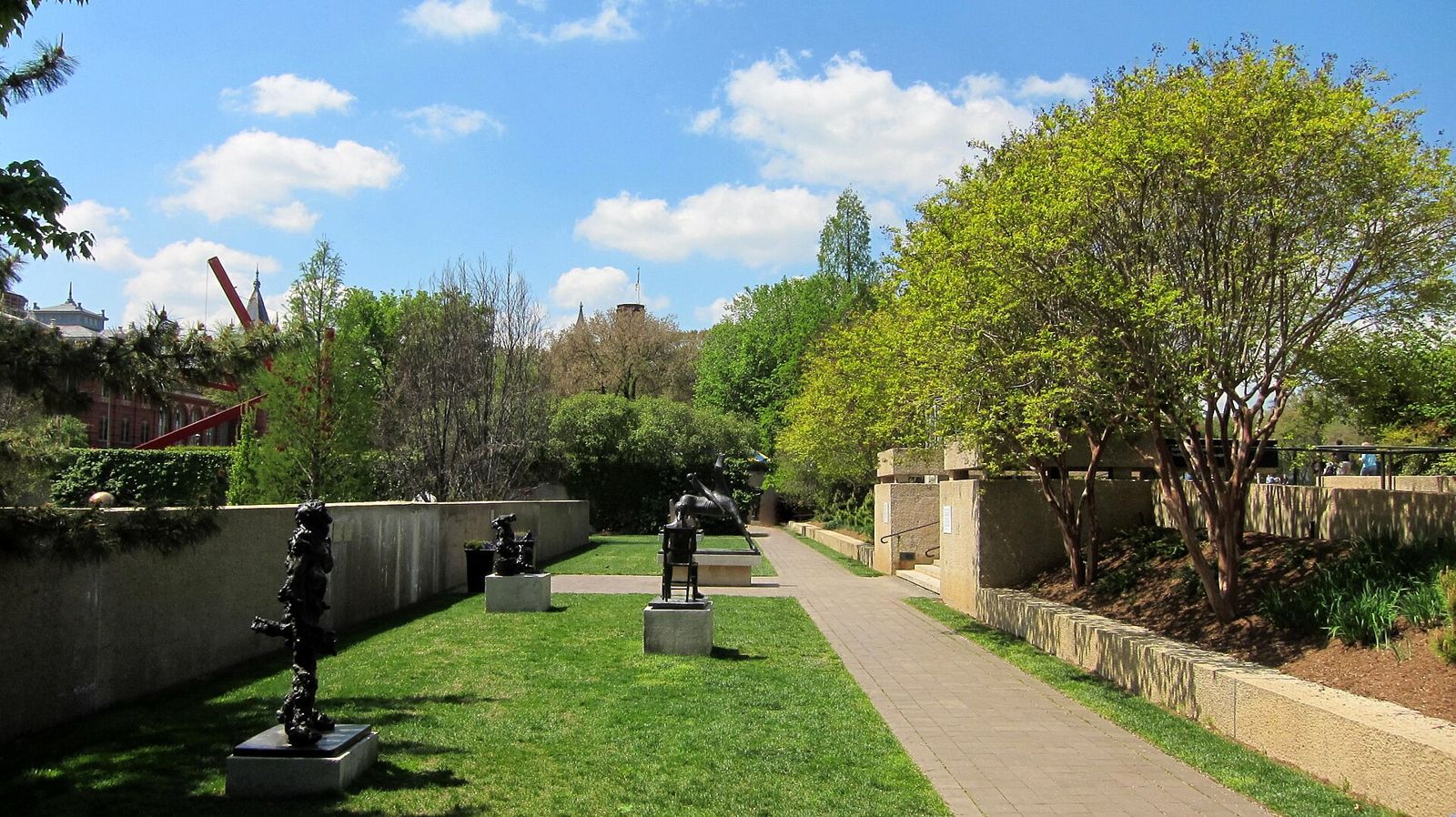
The garden itself has grown in every direction. The Smithsonian's opening announcement counts 60 artworks, a 50% increase on the old layout, set among nearly 30,000 new plants and trees. Twenty-one of the works come from the garden's original 1974 installation.
Sugimoto's dry-stacked stone walls divide the space into rooms. In the East Garden, Modernist bronzes by Auguste Rodin, Henri Matisse and Henry Moore trace the history of modern sculpture. Recent acquisitions and new commissions by contemporary artists sit alongside them.
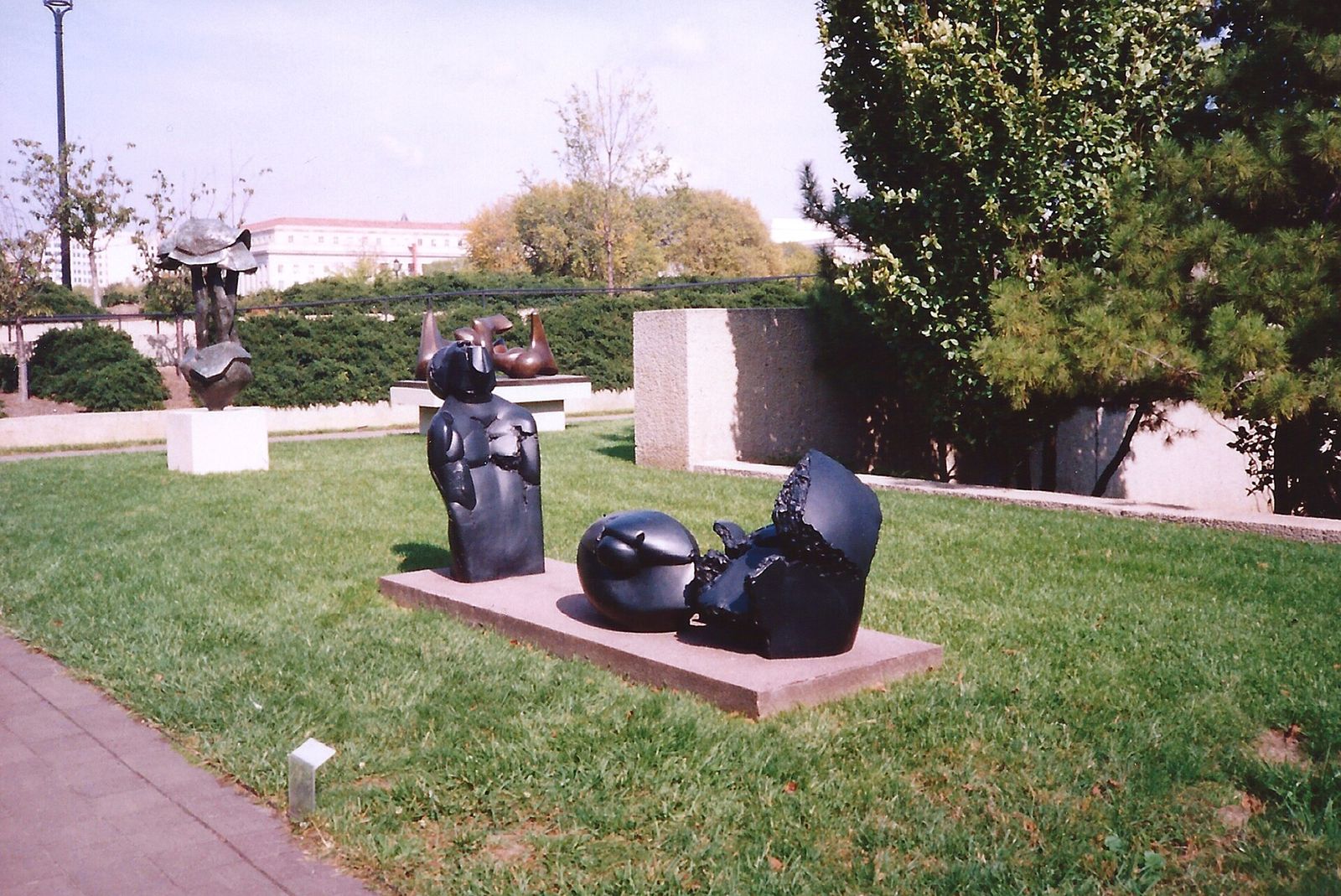
Respecting the original
Sugimoto did not start from zero. Gordon Bunshaft of Skidmore, Owings & Merrill designed the museum and garden. The Smithsonian describes his garden as a spare Modernist landscape inspired by the Zen gardens he saw in Japan in 1960. It was elegant, but it could be hard to get into.
The new design restores parts of Bunshaft's plan, including the north entrance and the underground passage. It also adds shade from native plants, more seating, accessible ramps and a restored 60-foot-wide entrance from the National Mall. A new West Lawn Gallery holds large commissions and rotating shows, and a redesigned reflecting pool gives the garden a stage for performances and talks.
The project took years of approvals. Sugimoto's proposal won the backing of the Commission of Fine Arts and the National Capital Planning Commission in 2022, and the garden closed for work in 2023, according to the Smithsonian.
The first show on the West Lawn
The opening weekend also launched the first West Lawn exhibition, Yoshitomo Nara: Sentinels of Stillness, according to the museum's opening celebration page. The free October 31 celebration ran from 10am to 4pm with art-making, scavenger hunts and pop-up artist talks.
Plan your visit
Like every Hirshhorn program, the garden is free. The museum is open Mondays from noon to 5:30pm and Tuesday to Sunday from 10am to 5:30pm, closed December 25, per the Smithsonian. It sits on Independence Avenue SW at 7th Street, halfway between the Washington Monument and the US Capitol.
Heading south for the winter art season instead? Our Art Basel Miami Beach 2026 preview has the dates, and our guide to Art Basel around the world maps every fair on the calendar.